

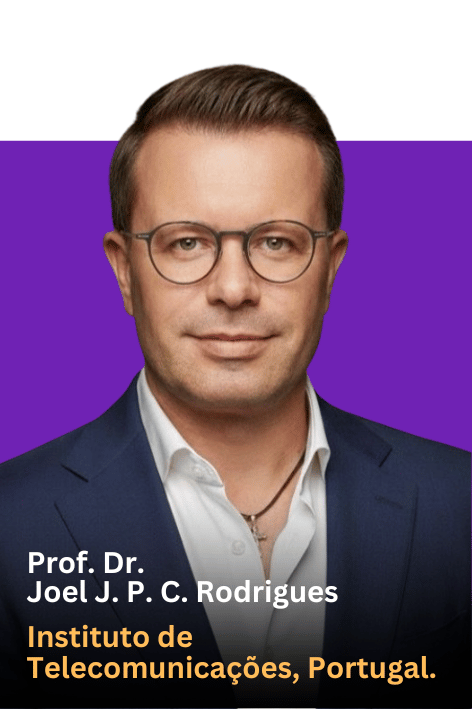
Prof. Dr. Joel J. P. C. Rodrigues (The Instituto de Telecomunicações, Portugal)
Prof. Dr. Joel J. P. C. Rodrigues is a globally recognized researcher and leading scholar in communication systems, Internet of Things, smart environments, mobile computing, and intelligent digital technologies. He is affiliated with the Federal University of Piauí, Brazil, and is widely recognized as an IEEE Fellow for his outstanding contributions to communications and networking. He is also listed as a Highly Cited Researcher, which reflects his strong global research influence. His expertise is highly relevant to the conference theme, “Advancing Earth and Environmental Science through Innovative Green Technologies for Sustainable Development Goals,” because his research supports intelligent, connected, and data-driven systems for environmental monitoring, smart cities, sustainable infrastructure, digital health ecosystems, and technology-based solutions for sustainable development.
His work aligns with the conference scope, especially energy and green technology, sustainable engineering, and applied technology. Through his research on IoT, smart networks, e-health, cloud computing, mobile systems, and intelligent communication technologies, he contributes to efficient, resilient, and scalable digital ecosystems that support clean energy management, smart infrastructure, environmental data systems, disaster resilience, and SDGs-oriented innovation. Based on Scopus data provided for the conference, Prof. Rodrigues has more than 1,377 publications, 44,347 citations, and an h-index of 107. He has also held major international leadership roles, including IEEE Distinguished Lecturer, Past Director for Conference Development, and Board of Governors Member of the IEEE Communications Society. At this conference, he will share high-level insights on how IoT, intelligent communication systems, and data-driven technologies can accelerate innovation in earth and environmental science, green technology, and sustainable development.
 Scopus
 Google Scholar
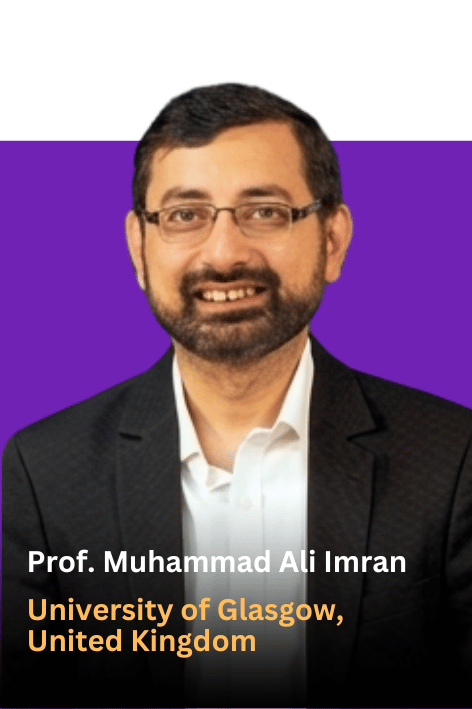
Prof. Muhammad Ali Imran (University of Glasgow, United Kingdom)
Prof. Muhammad Ali Imran is a globally recognized scholar in communication systems, intelligent connectivity, wireless networks, and digital innovation. He is a Professor of Communication Systems at the University of Glasgow, United Kingdom, where he also serves in senior academic leadership roles at the James Watt School of Engineering and leads research in communications, sensing, and imaging. His expertise is highly relevant to the conference theme, “Advancing Earth and Environmental Science through Innovative Green Technologies for Sustainable Development Goals,” because his research supports energy-efficient communication systems, smart sensing platforms, intelligent digital infrastructure, and data-driven technologies for sustainable cities, resilient infrastructure, digital health systems, and environmental monitoring. His work aligns strongly with the conference scope, especially energy and green technology, sustainable engineering, and applied technology. His research on 5G, 6G, wireless communications, Internet of Things, artificial intelligence-driven networks, and sensing systems contributes to sustainable connectivity solutions that reduce energy consumption, improve infrastructure efficiency, expand digital inclusion, and support SDG-oriented innovation. Based on Scopus data provided for the conference, Prof. Imran has more than 1,416 publications, 25,885 citations, and an h-index of 74. At this conference, he will share high-level insights on how intelligent connectivity, advanced communication systems, environmental sensing, digital health innovation, and sustainable digital infrastructure can accelerate the achievement of the Sustainable Development Goals.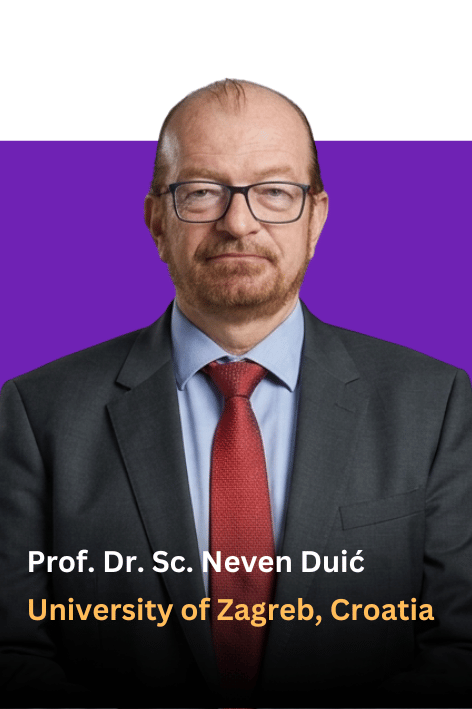
Prof. Dr. sc. Neven Duić (University of Zagreb, Croatia)
Prof. dr. sc. Neven Duić is a globally recognized scholar in sustainable energy systems, smart energy planning, renewable energy integration, and low-carbon development. He is a Professor at the Faculty of Mechanical Engineering and Naval Architecture, University of Zagreb, Croatia, with extensive expertise in energy systems, energy transition, climate mitigation, energy modelling, and sustainable development. His expertise is highly relevant to the conference theme, “Advancing Earth and Environmental Science through Innovative Green Technologies for Sustainable Development Goals,” because his research supports integrated energy systems, renewable energy technologies, smart energy management, decarbonization strategies, climate action, clean energy transition, and resilient infrastructure. His work aligns strongly with the conference scope, especially energy and green technology, sustainable engineering, and applied technology. His research addresses renewable energy integration, energy efficiency, climate-neutral development, and the interaction between energy, water, environment, and infrastructure systems. These areas support SDG 7, SDG 9, SDG 11, SDG 12, SDG 13, and SDG 17. Based on Scopus data provided for the conference, Prof. Duić has more than 419 publications, 17,575 citations, and an h-index of 72. At this conference, he will share high-level insights on how integrated energy systems, green technology innovation, smart energy planning, and applied engineering can accelerate sustainable development and strengthen climate-resilient societies.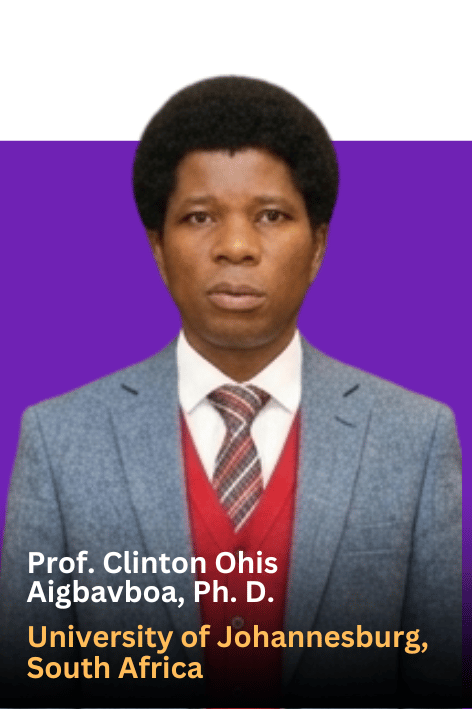
Prof. Clinton Ohis Aigbavboa, Ph.D. (University of Johannesburg, South Africa)
Prof. Clinton Ohis Aigbavboa is a globally recognized scholar in construction management, sustainable infrastructure, green construction, and the built environment. He is a Professor at the University of Johannesburg, South Africa, with expertise in sustainable construction practices, infrastructure development, construction digitalization, green building technologies, sustainable housing, and resilient built environments. His expertise is highly relevant to the conference theme, “Advancing Earth and Environmental Science through Innovative Green Technologies for Sustainable Development Goals,” as his research supports smart and sustainable cities, green infrastructure, low-carbon construction, resource efficiency, climate-resilient development, and improved environmental performance in the construction sector. His work aligns closely with the conference scope, especially sustainable engineering, applied technology, energy, and green technology. His research contributes to SDG 9, SDG 11, SDG 12, SDG 13, and SDG 17 through studies on sustainable materials, energy-efficient infrastructure, Building Information Modelling, digital transformation, and technology-based solutions for sustainable development. Based on Scopus data provided for the conference, Prof. Aigbavboa has more than 1,058 publications, 8,738 citations, and an h-index of 41. He has also authored and co-authored more than 1,600 scholarly works and has strengthened academic capacity through the supervision of many master’s and doctoral students. At this conference, he will share forward-looking insights on how innovative green technologies, smart infrastructure, policy integration, and sustainable engineering can accelerate the achievement of the Sustainable Development Goals.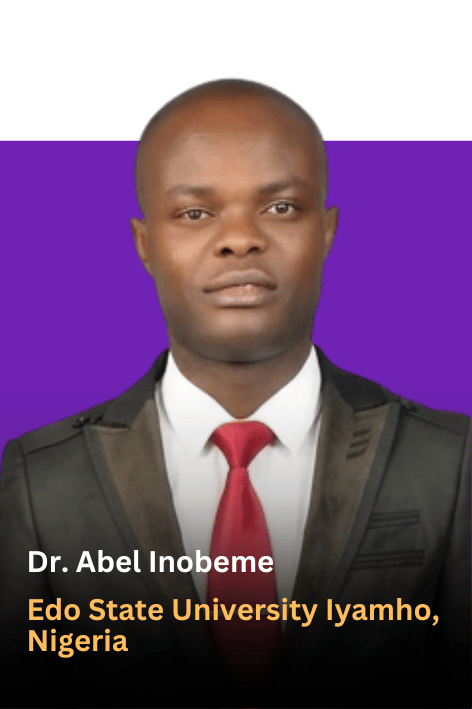
Dr. Abel Inobeme (Edo University Iyamho, Nigeria)
Dr. Abel Inobeme is a dynamic scholar in analytical and environmental chemistry, environmental sustainability, and green technology. He is a lecturer and researcher at Edo University Iyamho, Nigeria, with academic expertise in environmental protection, resource management, pollution assessment, wastewater treatment, nanotechnology, and sustainability-oriented innovation. His expertise is highly relevant to the conference theme, “Advancing Earth and Environmental Science through Innovative Green Technologies for Sustainable Development Goals,” because his research supports practical green technology solutions for environmental monitoring, pollution mitigation, sustainable resource utilization, wastewater treatment, and community-based environmental management, especially in developing regions. His work aligns strongly with the conference scope, especially earth and environmental sciences, energy, and green technology. His studies address environmental impact mitigation, chemical and toxicological assessment, wastewater treatment technologies, nanotechnology for environmental applications, green materials, resource efficiency, and sustainable development practices. These areas support SDG 6, SDG 9, SDG 11, SDG 12, SDG 13, SDG 15, and SDG 17. Based on Scopus data provided for the conference, Dr. Inobeme has more than 229 publications, 1,342 citations, and an h-index of 21. At this conference, he will share practical insights on how earth and environmental science, green technology, and community-based innovation can strengthen environmental sustainability, pollution control, resource management, and climate-resilient development.